Build a Law Firm CRM With AI and No-Code
Stop losing potential clients between intake forms, calls, conflict checks, and follow-ups. WeWeb helps you build a CRM around how your firm actually handles new matters.
Trusted by founders & Fortune 500s
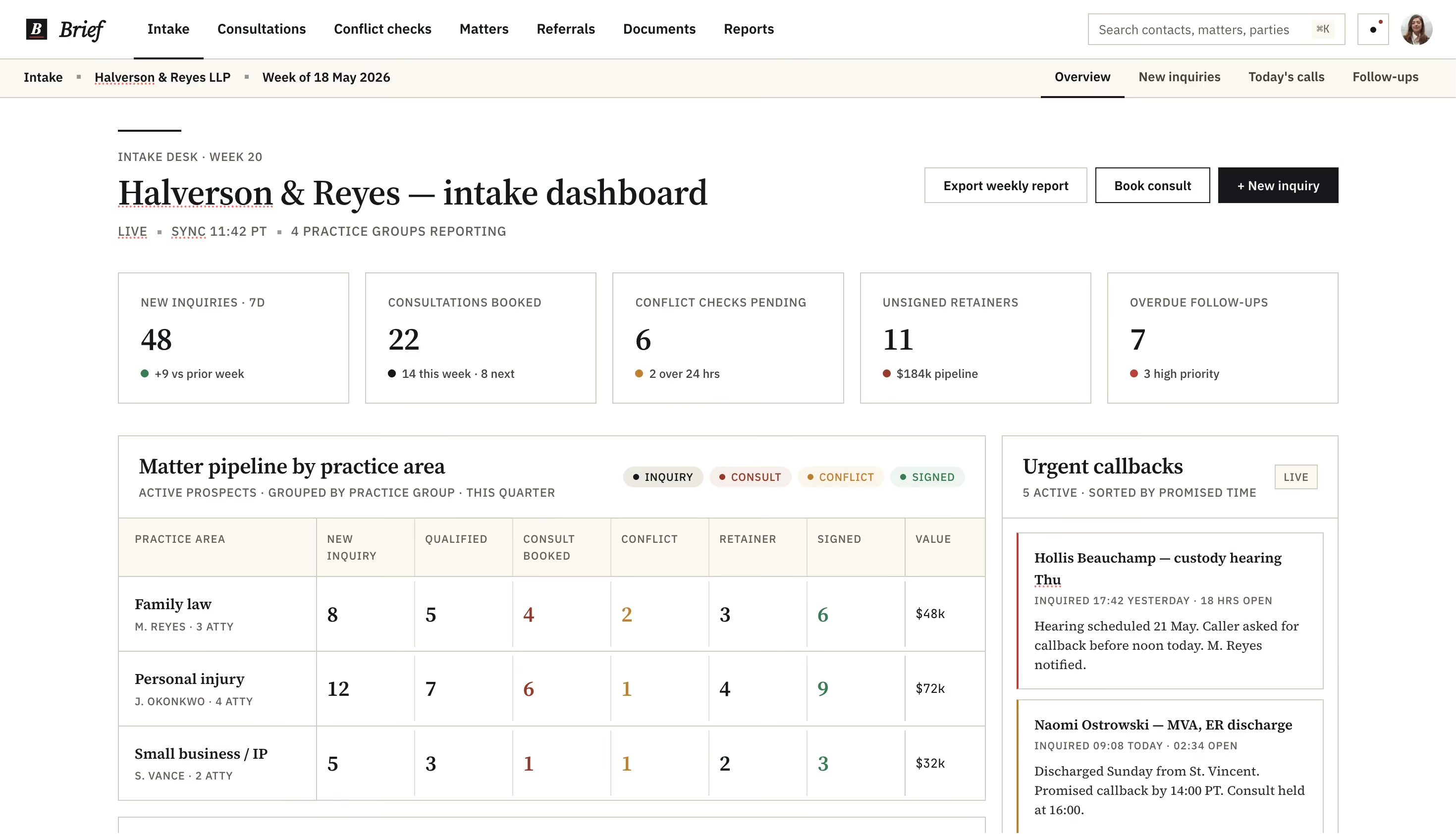
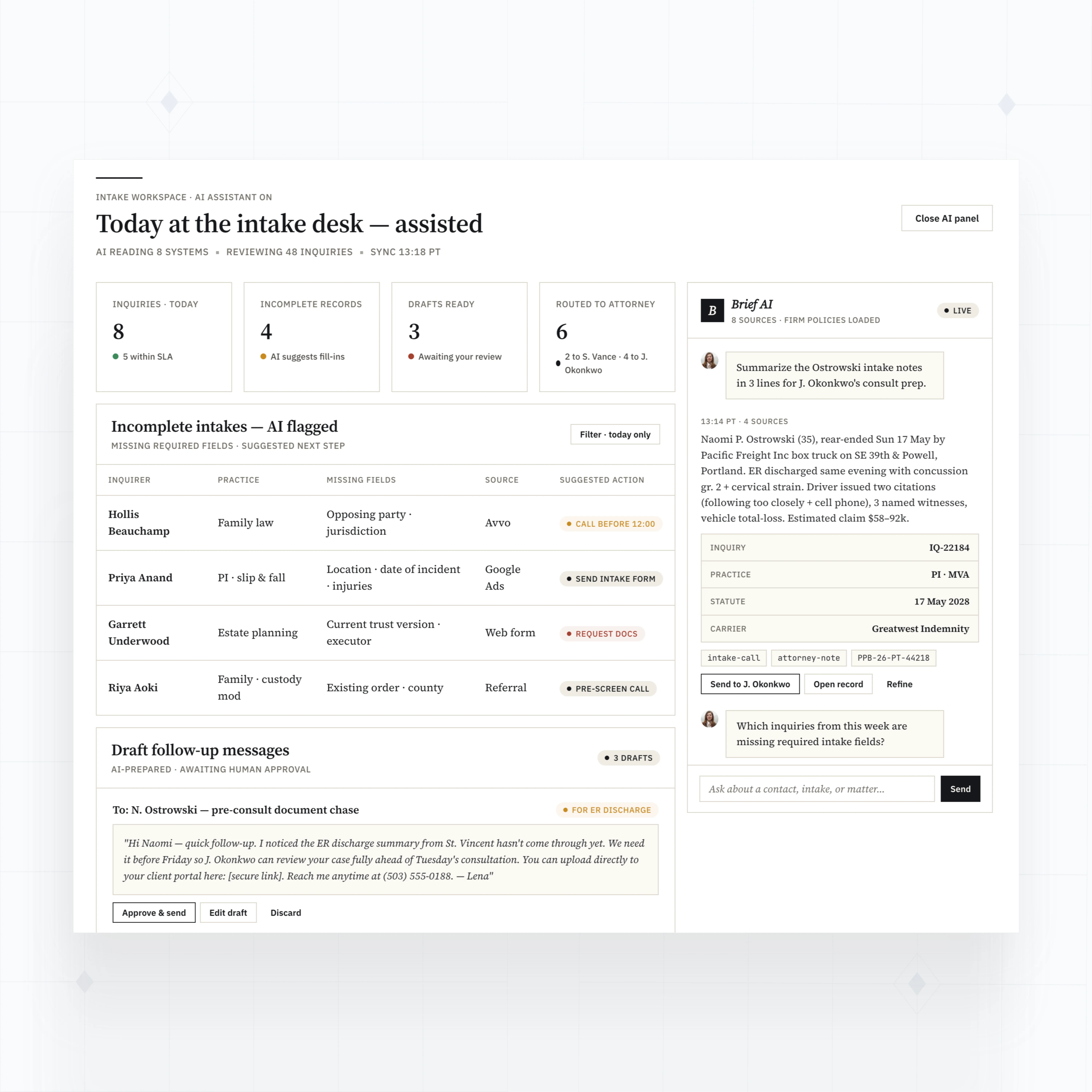
Build legal CRM workflows around each matter
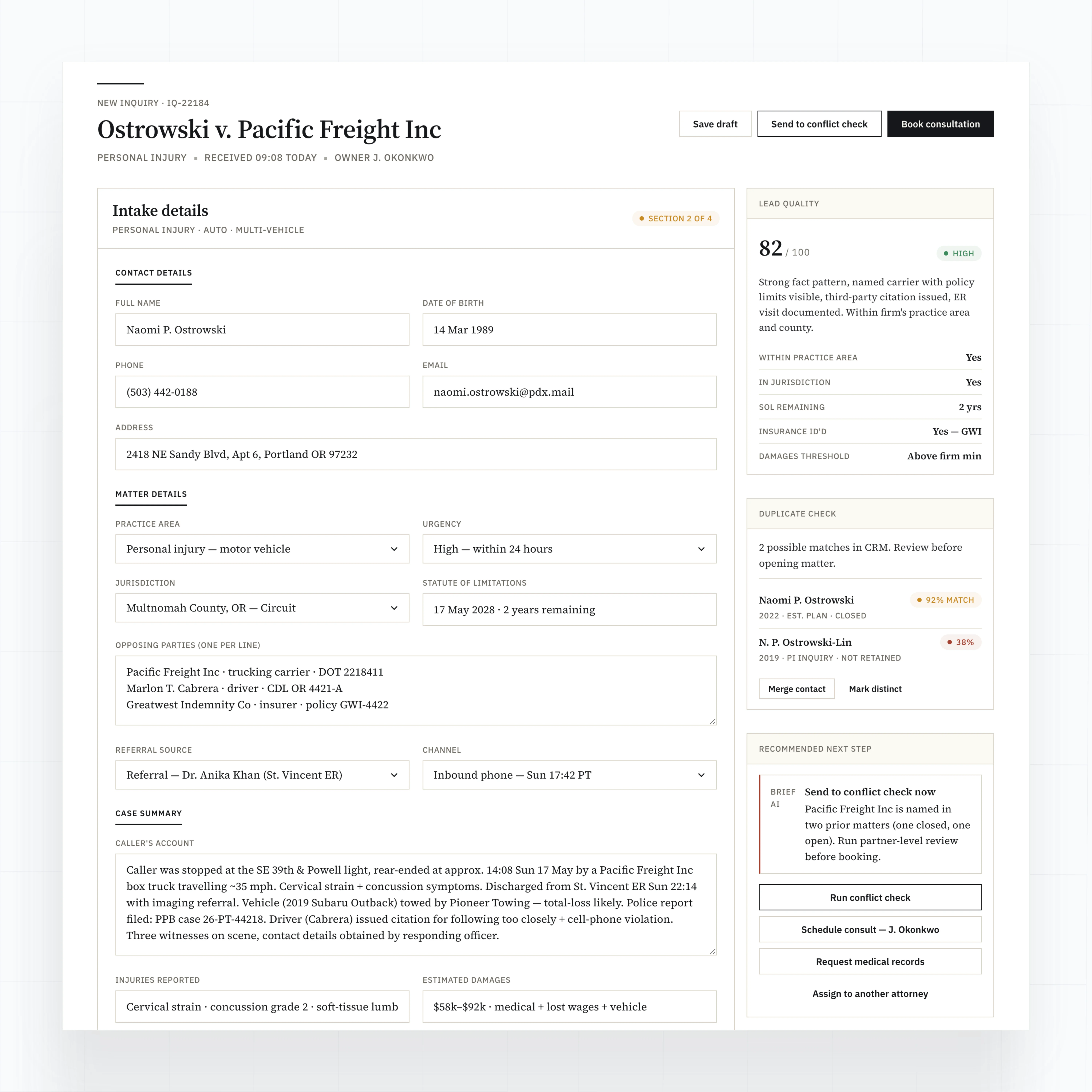
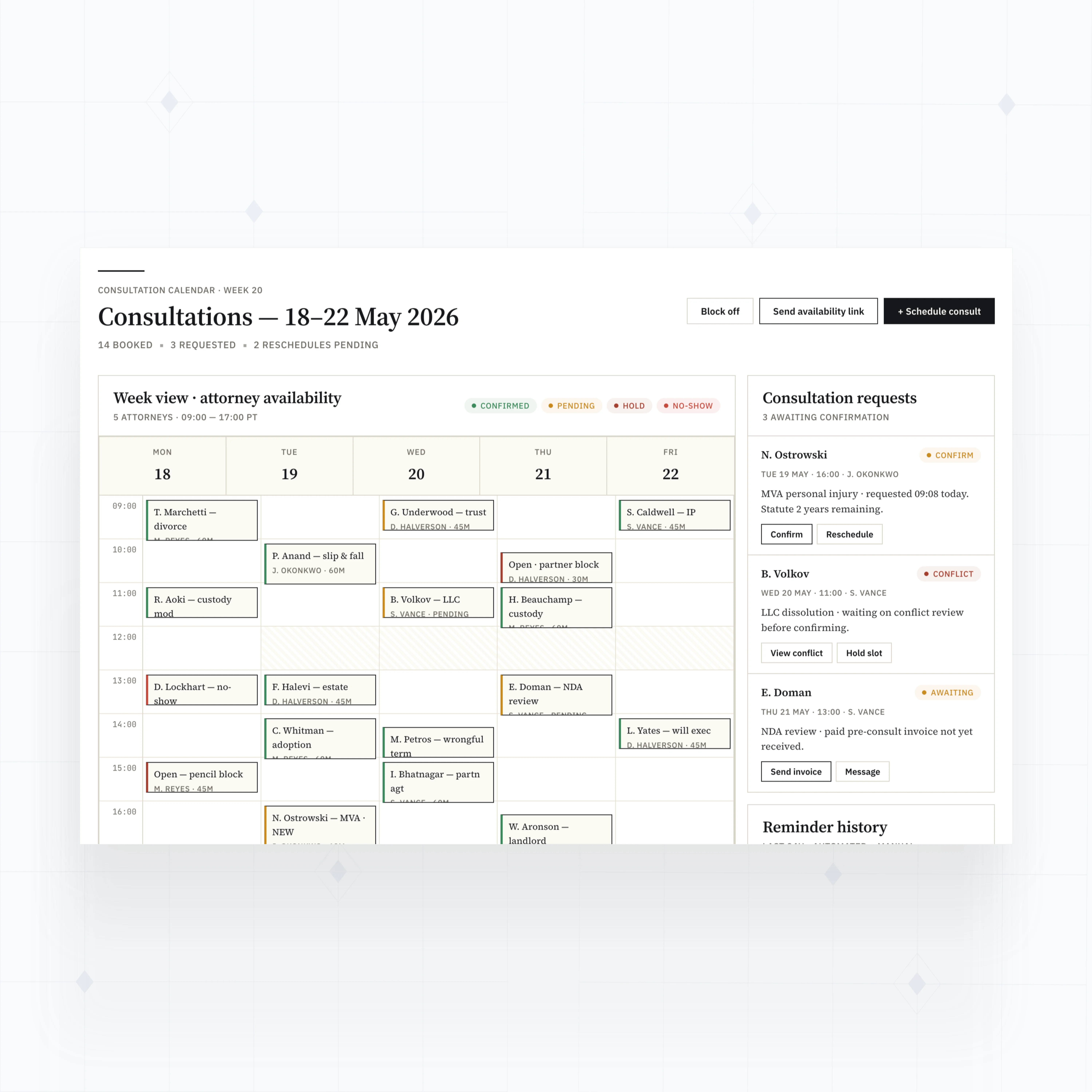
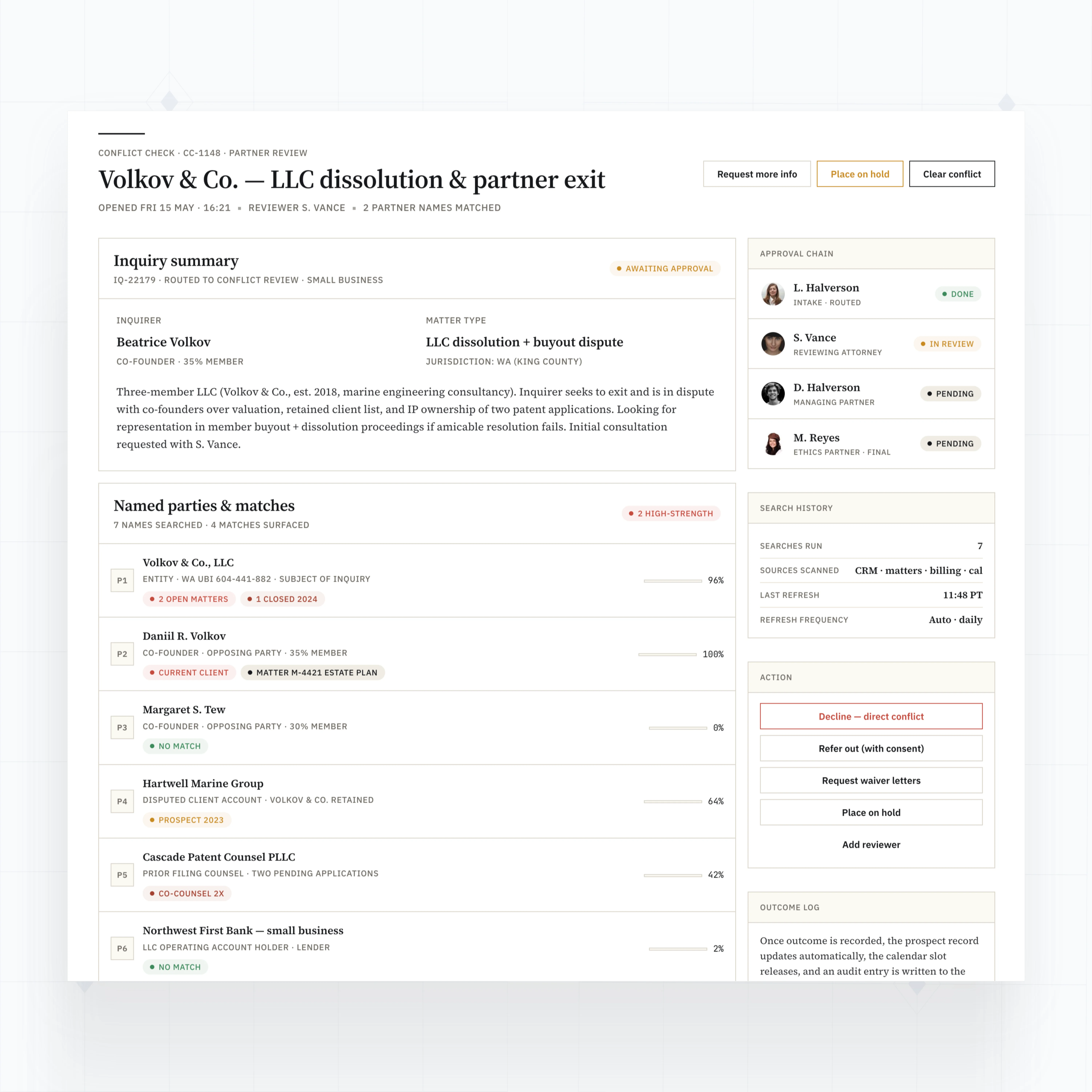
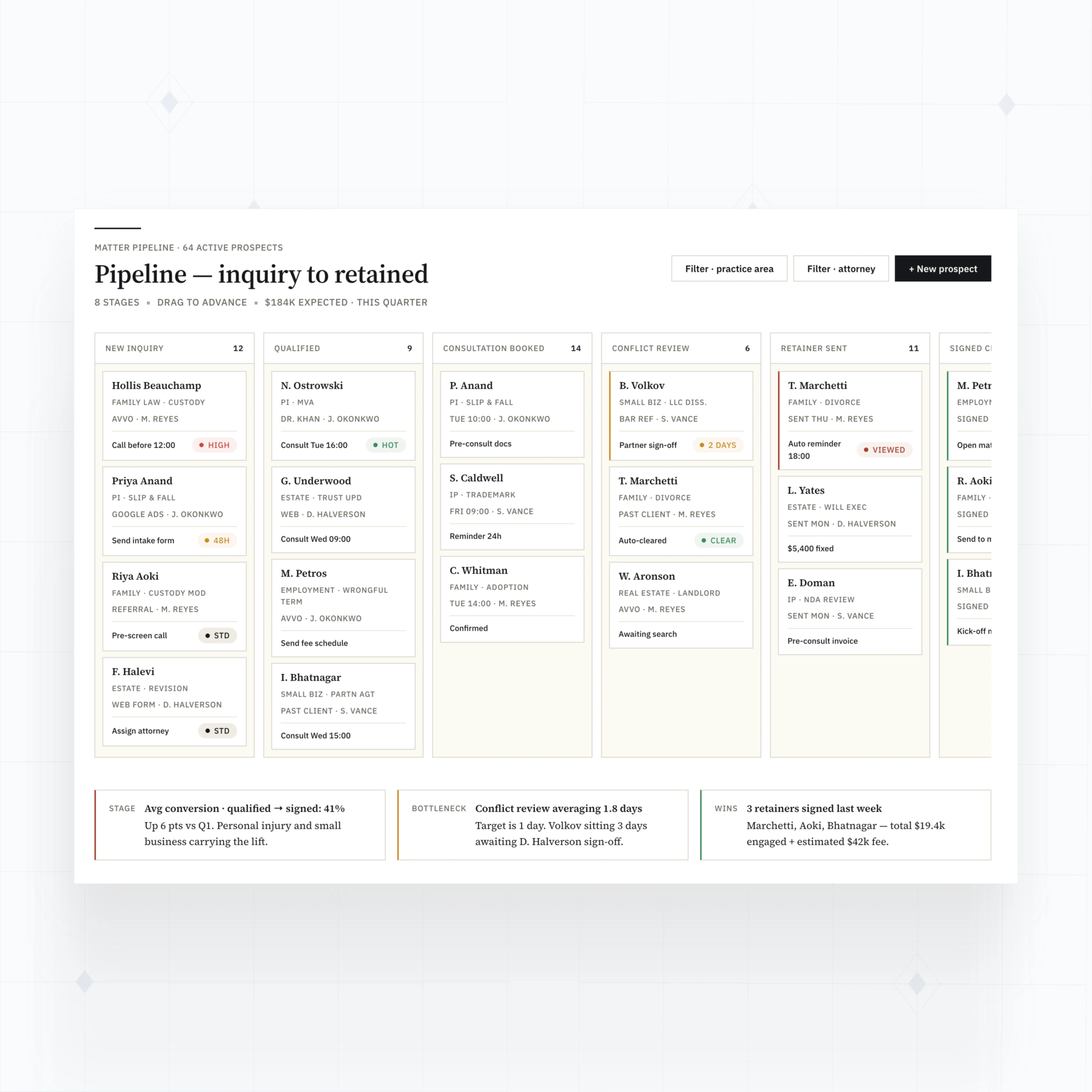
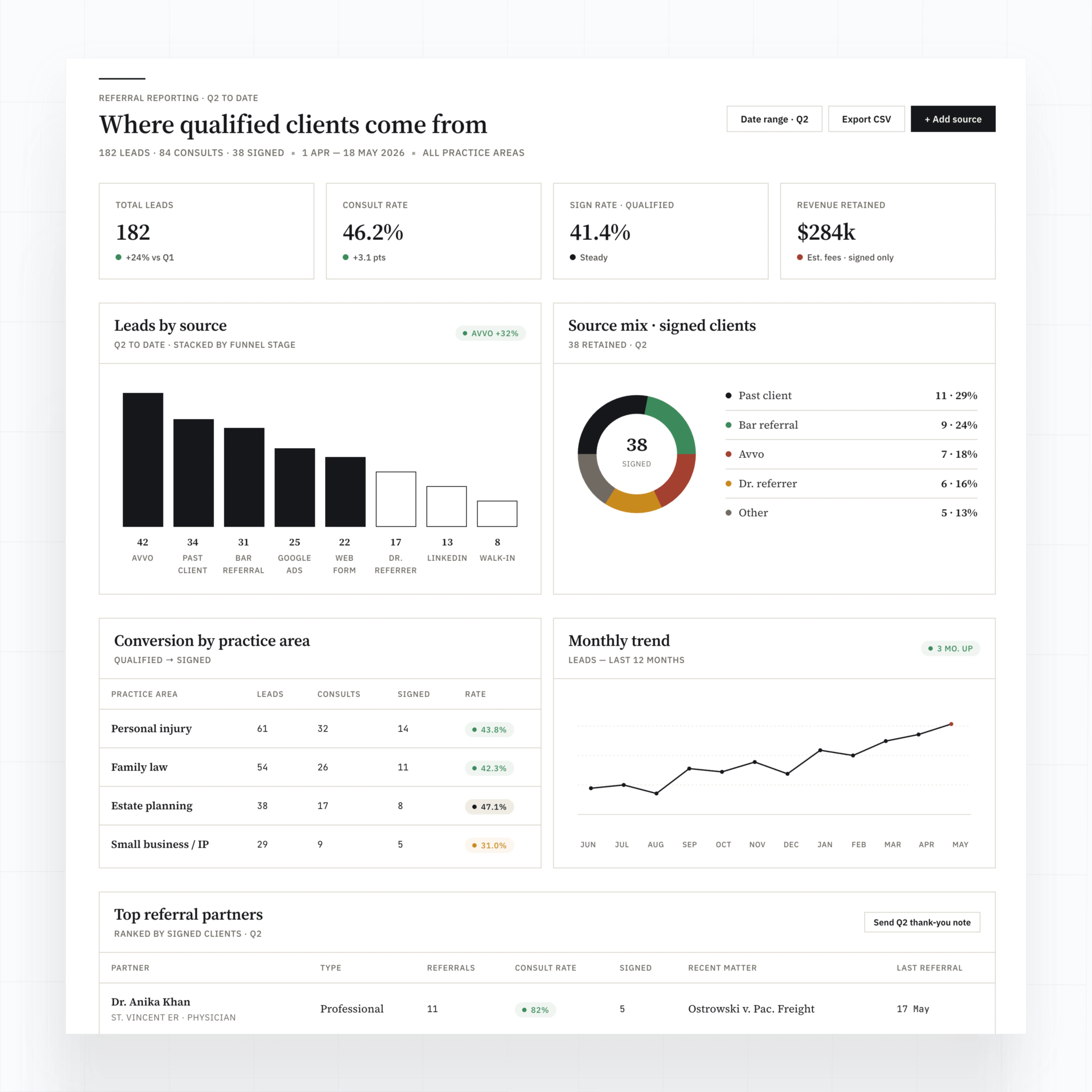
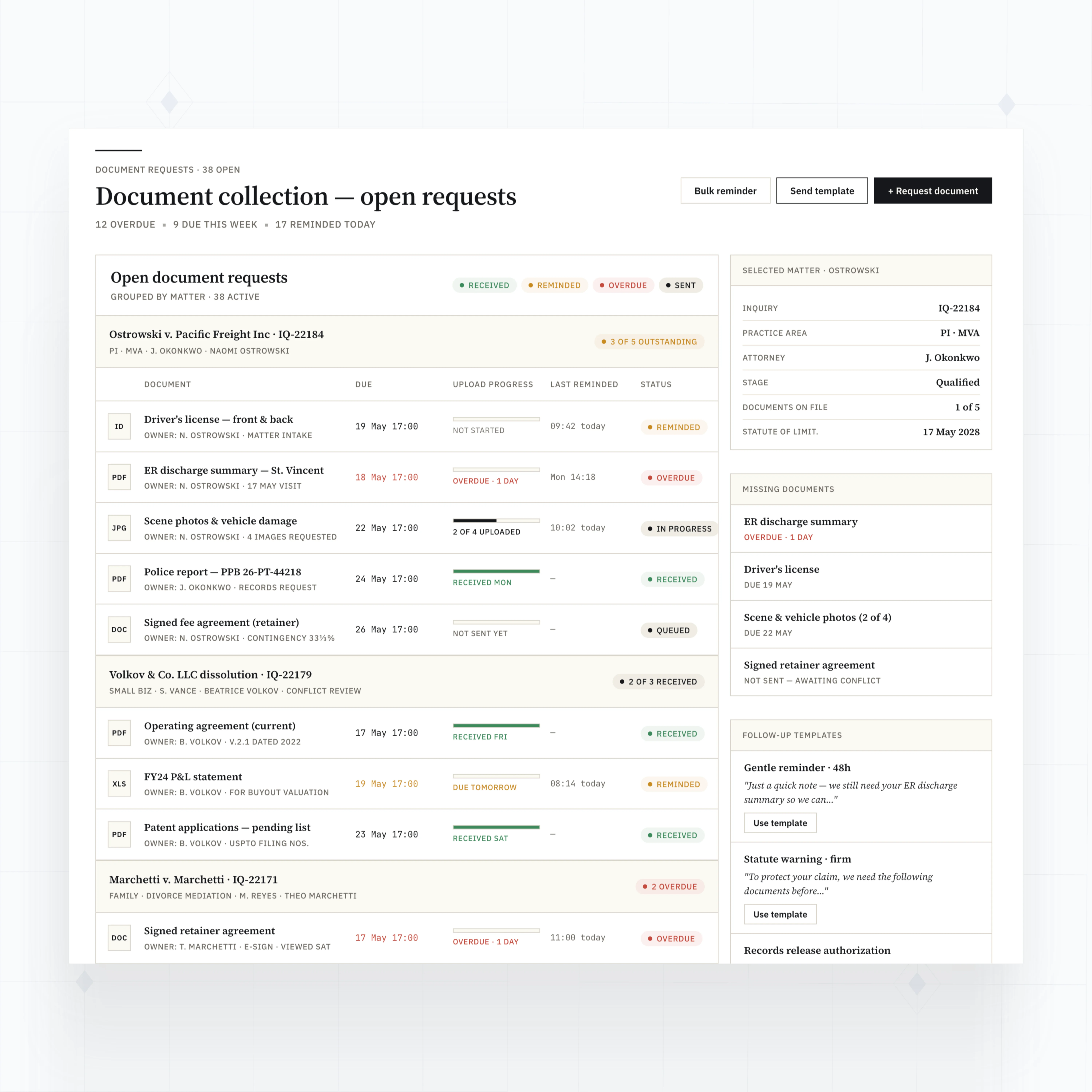
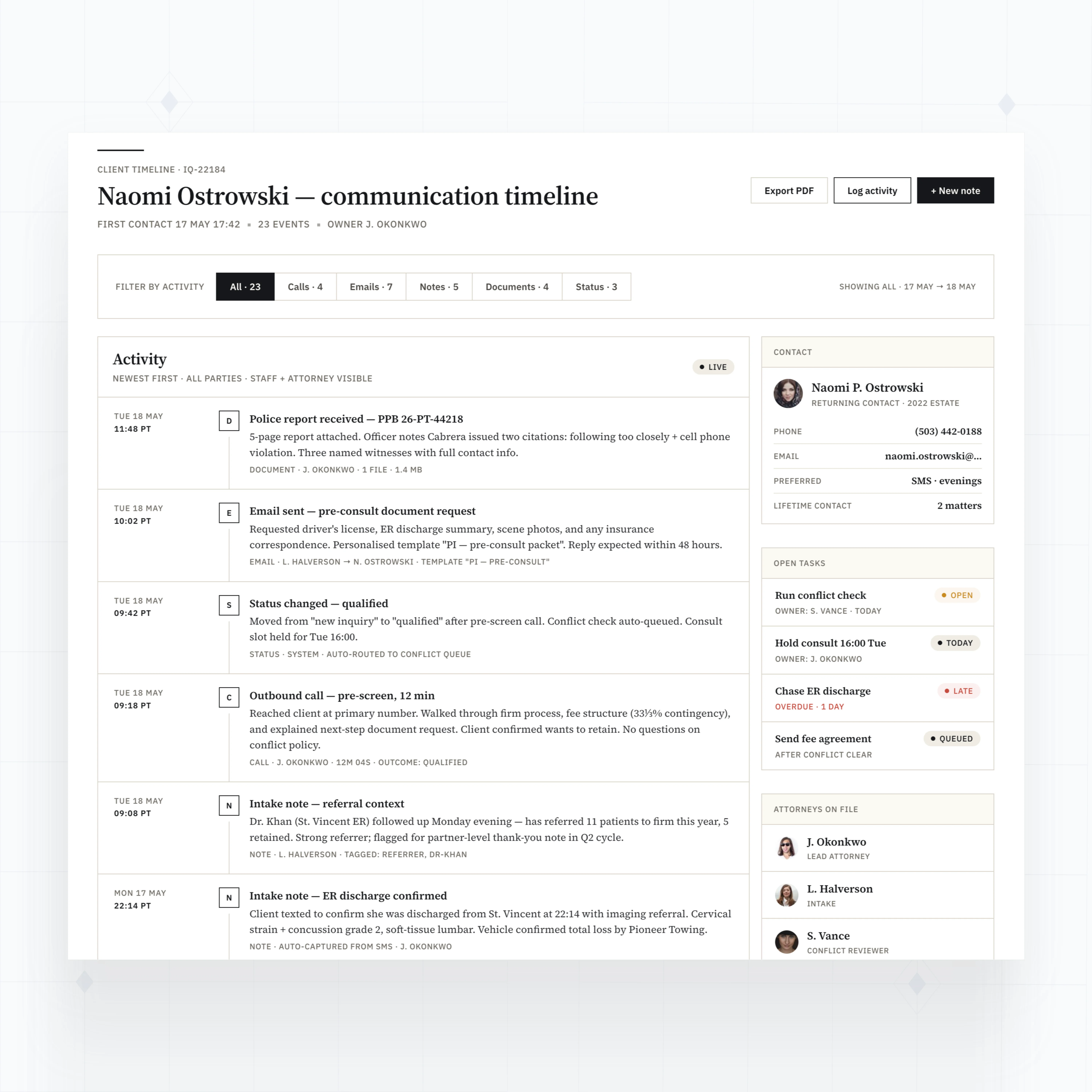
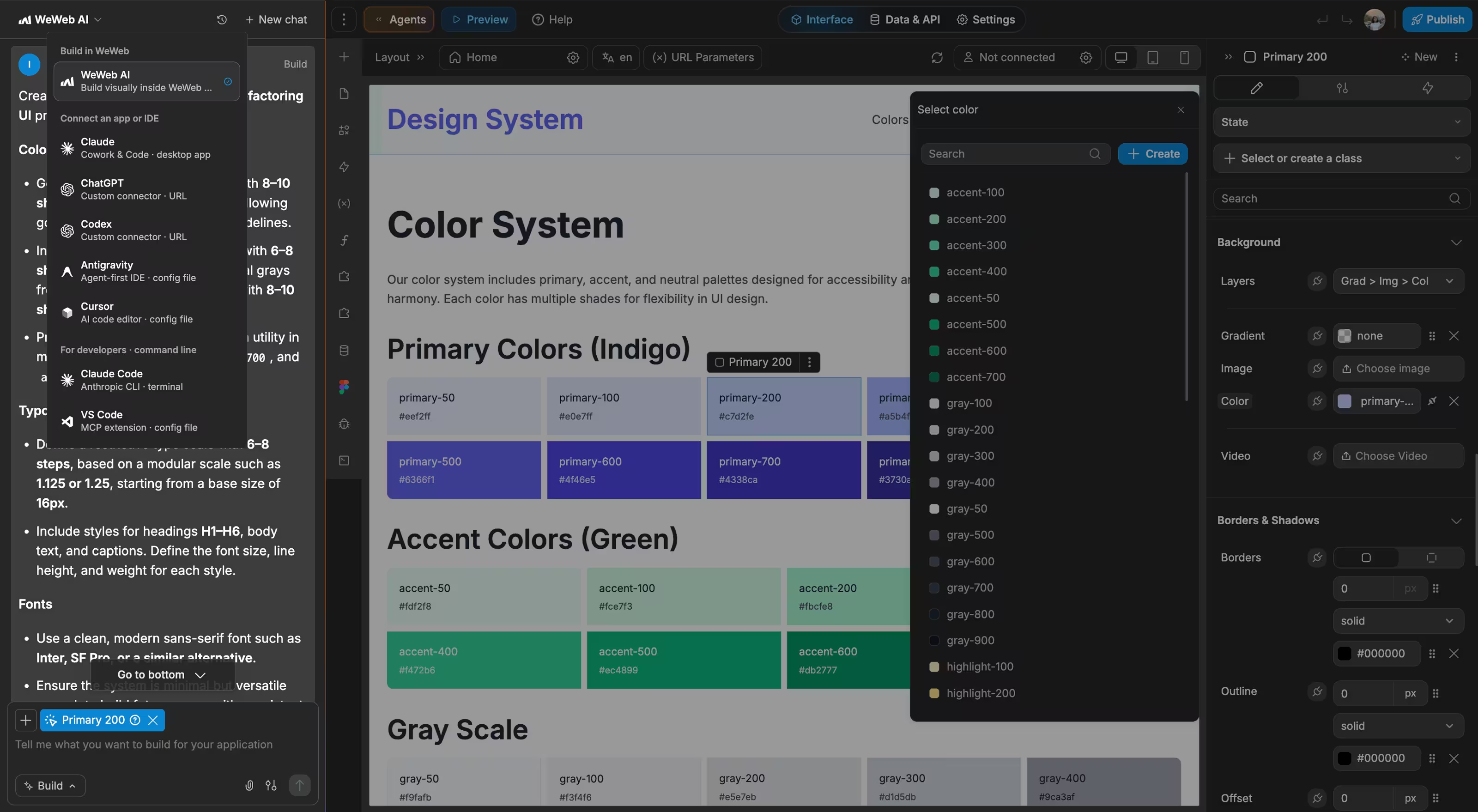
With WeWeb AI, build intake, consultation scheduling, conflict review, matter pipelines, document requests, referral reporting, and secure role-based views.
" Adopting WeWeb’s no-code platform has revolutionized how we approach application development. It’s not just about speed; it’s about empowering our teams to deliver more innovative, secure, and compliant solutions faster and more effectively than ever before "

Production-grade infrastructure for your law firm CRM
The standards of code, with no-code.
Launch your intake CRM this week
With WeWeb and Xano, clients keep ownership of the application and the data, and they can maintain it internally or work with another partner later.

FAQs
Standard CRMs are usually built around sales teams. Law firms need a different workflow: intake, practice area routing, consultation scheduling, conflict checks, referral tracking, document requests, follow-ups, and matter handoff.
The risk is dropped context. A potential client might start with a web form, call the office, book a consultation, send documents, and then move into a matter. If those steps live across email, spreadsheets, forms, and case management software, follow-ups slip and staff re-enter the same information.
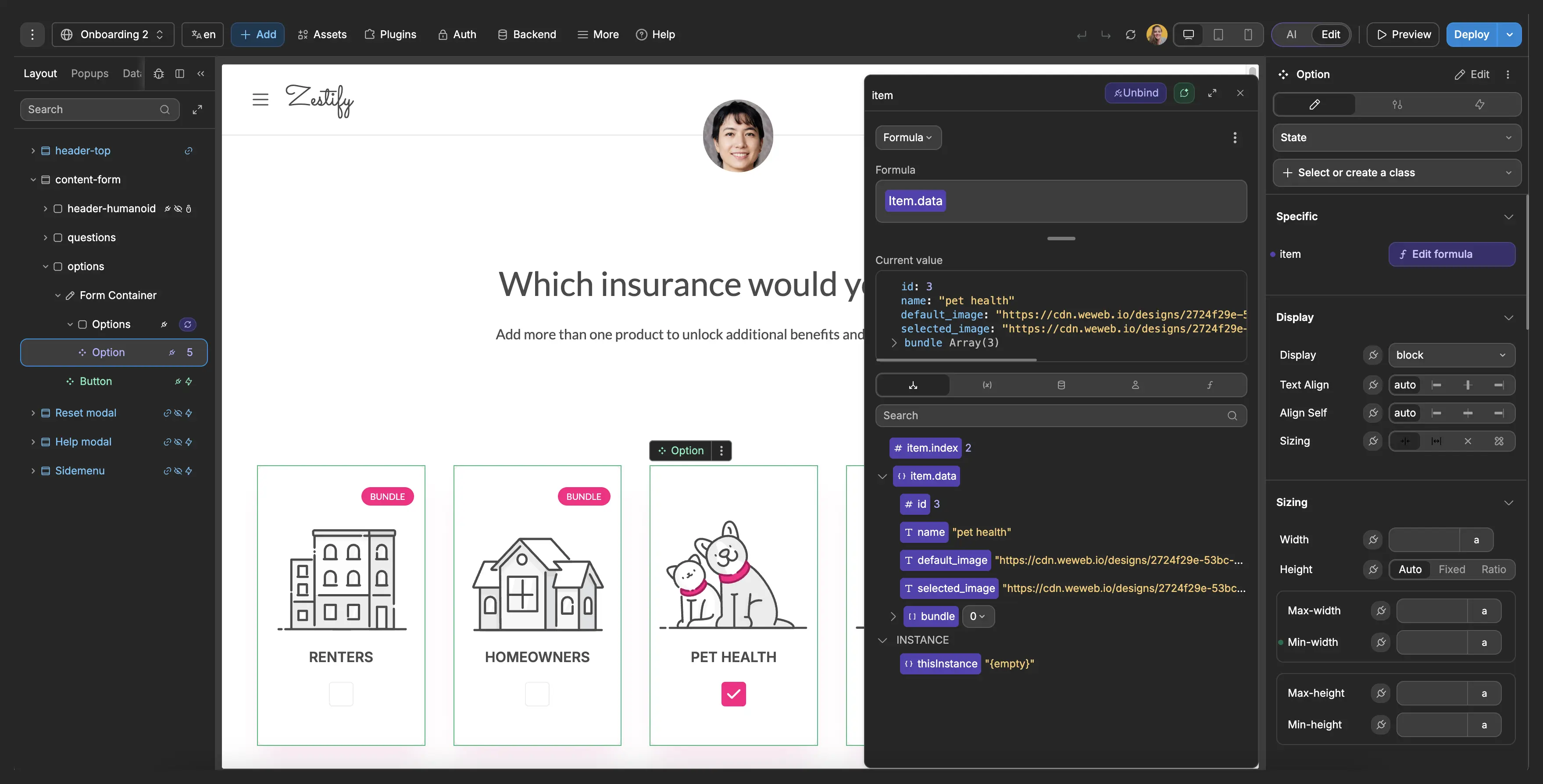
With WeWeb, you can build a CRM around your firm's intake and client relationship process. WeWeb AI can generate the first version, then your team can refine fields, screens, roles, and workflows visually.
Yes. You can build intake workflows that collect the details your firm needs before a consultation or matter opening: contact information, opposing parties, practice area, urgency, jurisdiction, source, notes, and documents.
For conflict checks, the app can route new inquiries through a review workflow, surface related names or organizations from your backend, capture review status, and record who approved the next step. Your firm's backend and operating process should define the actual conflict logic and approval rules.
This lets intake staff work from one structured view instead of copying information between forms, inboxes, and spreadsheets.
Yes. WeWeb is backend agnostic, so your CRM can connect to the systems your firm already uses through APIs, databases, or automation tools.
You can connect to WeWeb Tables, Supabase, Xano, Airtable, Google Sheets, SQL databases exposed through APIs, and legal or business tools that provide REST, GraphQL, or SOAP APIs. Many firms use WeWeb as the intake and relationship layer, then pass accepted clients or matters into a case management, billing, document, or accounting system.
That means you do not have to replace everything at once. You can start with the intake workflow that causes the most friction, then expand around it.
Start with architecture. WeWeb lets you keep sensitive data in the backend you control, whether that is WeWeb Tables, Supabase, Xano, your own database, or another system exposed through an API.
Access should be role-based. Intake staff may need contact and consultation details. Attorneys may need conflict review and matter context. Marketing may only need referral and source reporting. Leadership may need dashboards, not every sensitive note.
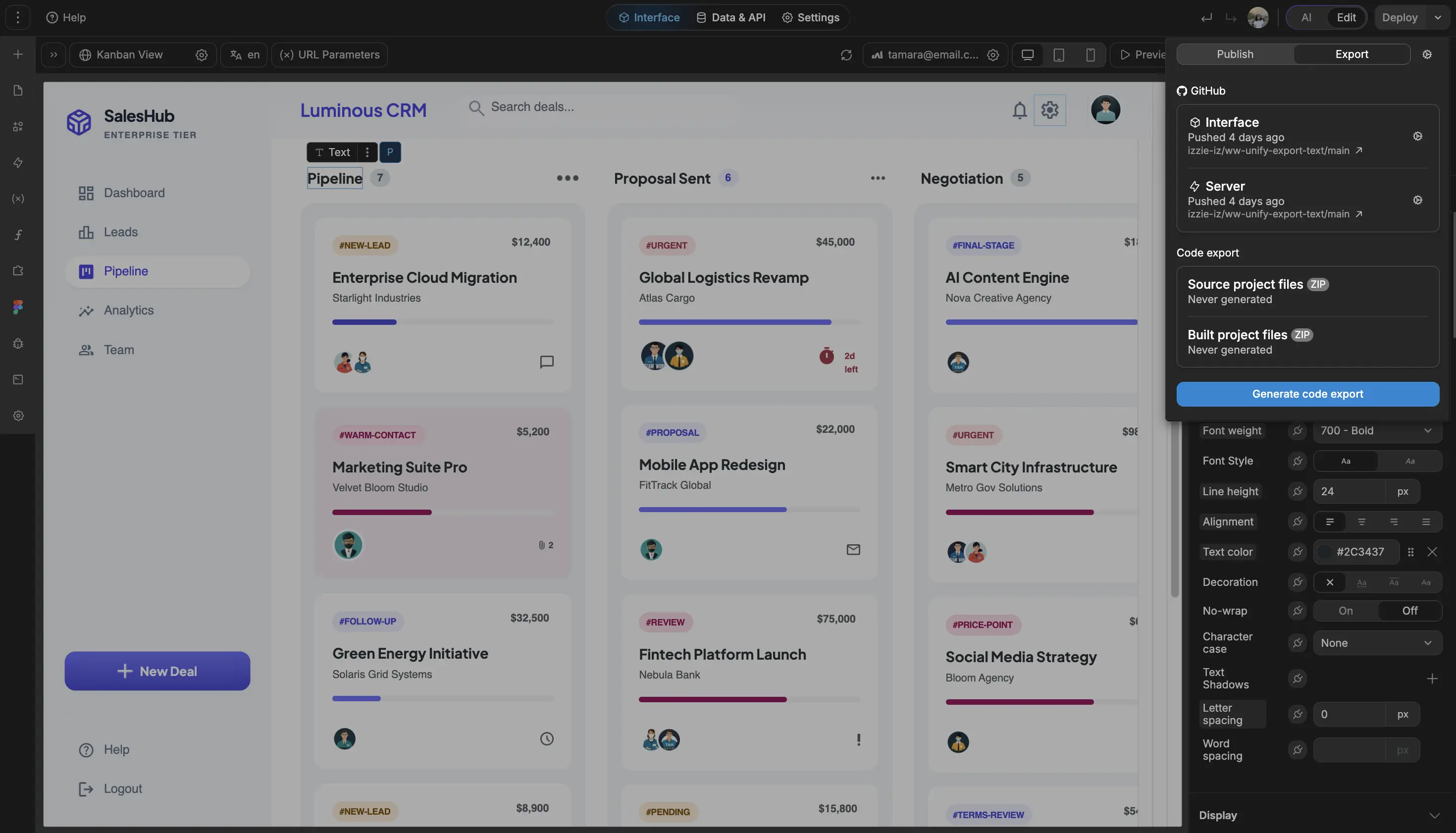
WeWeb gives you the interface layer for those roles, while permissions and sensitive business logic should be enforced in your backend. For stricter infrastructure requirements, you can export the app and self-host it on your own cloud or server.