Build Your Own ERP System With AI and No-Code
WeWeb helps you build ERP software around your industry-specific processes. No 12-month implementation. No per-user fees.
Trusted by founders & Fortune 500s
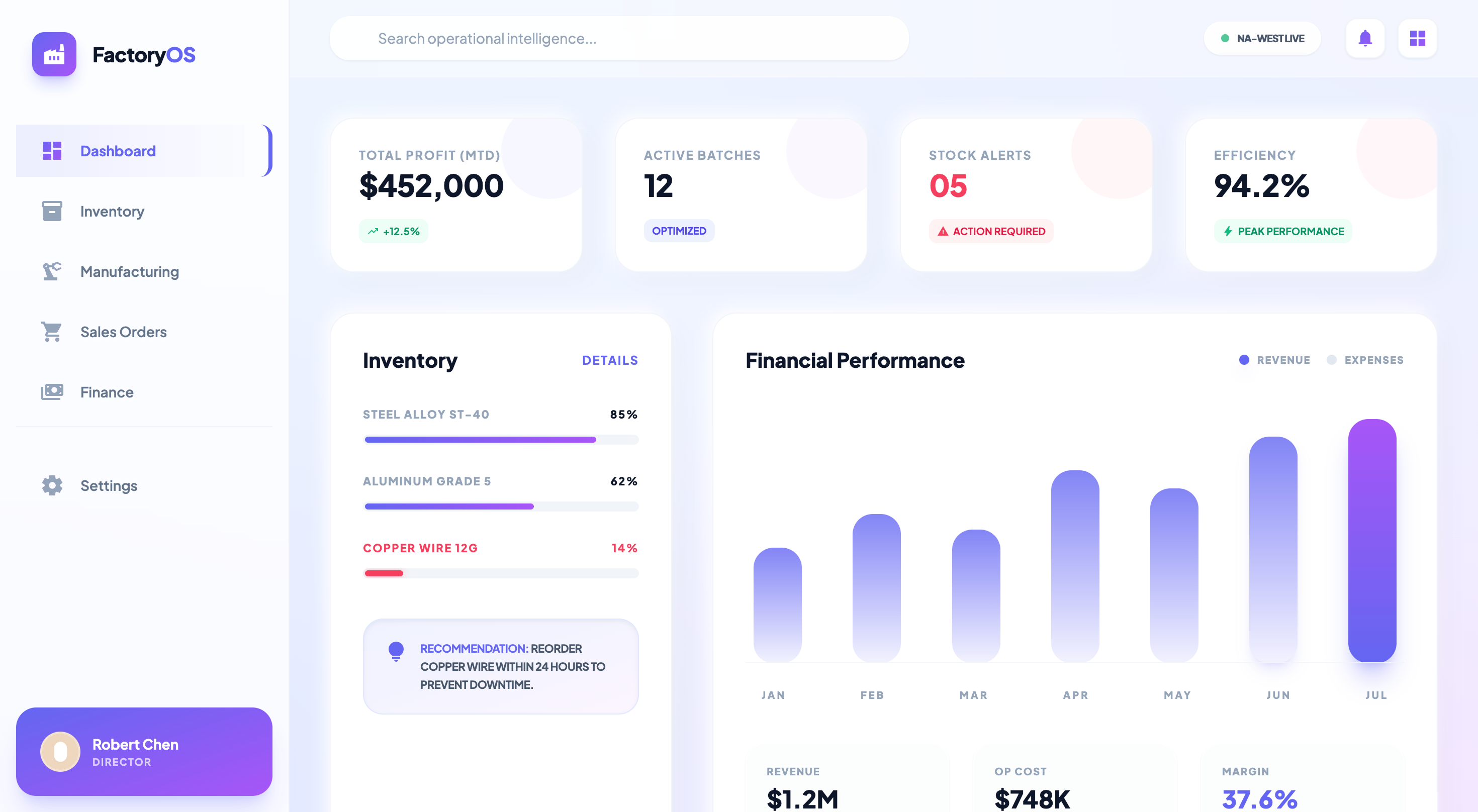
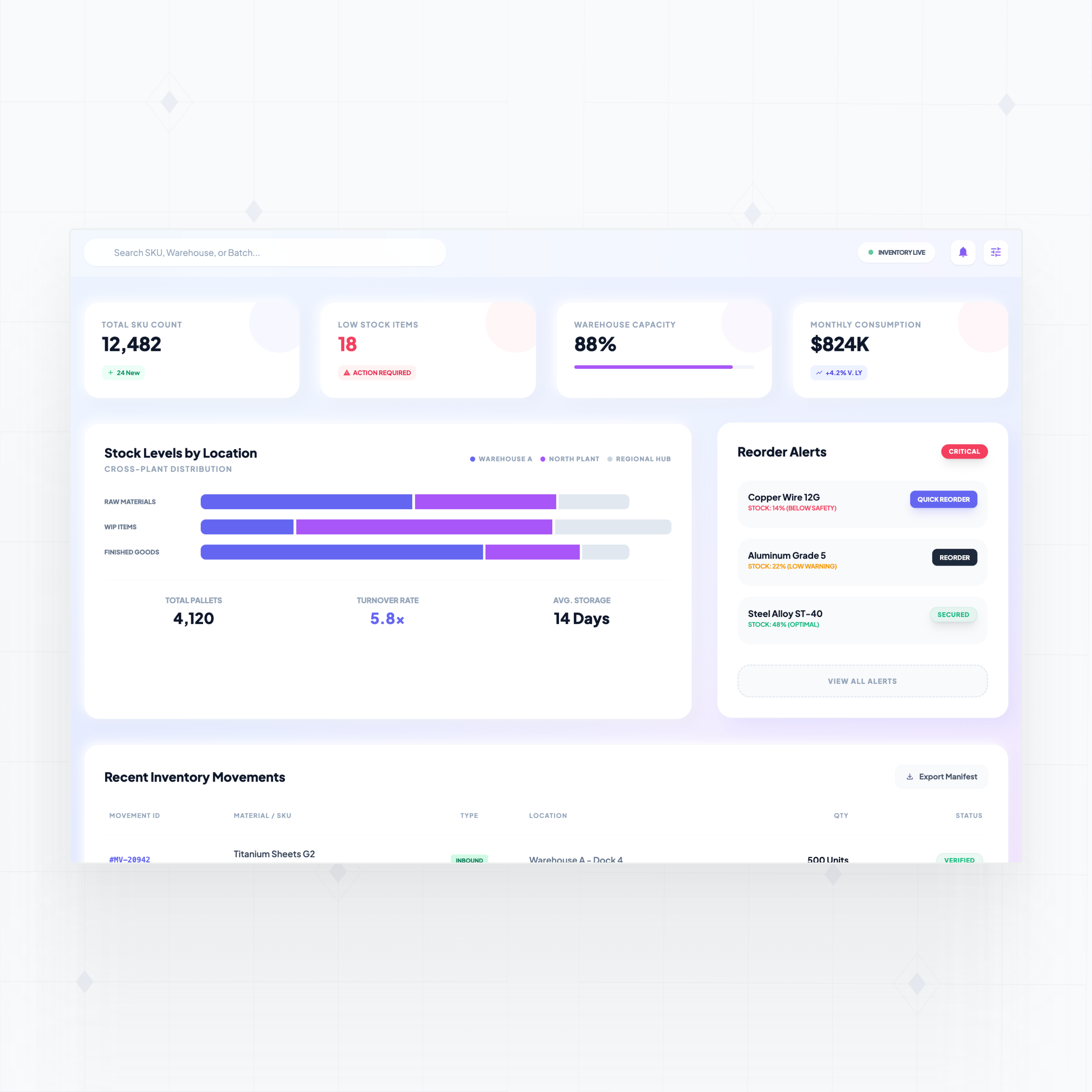
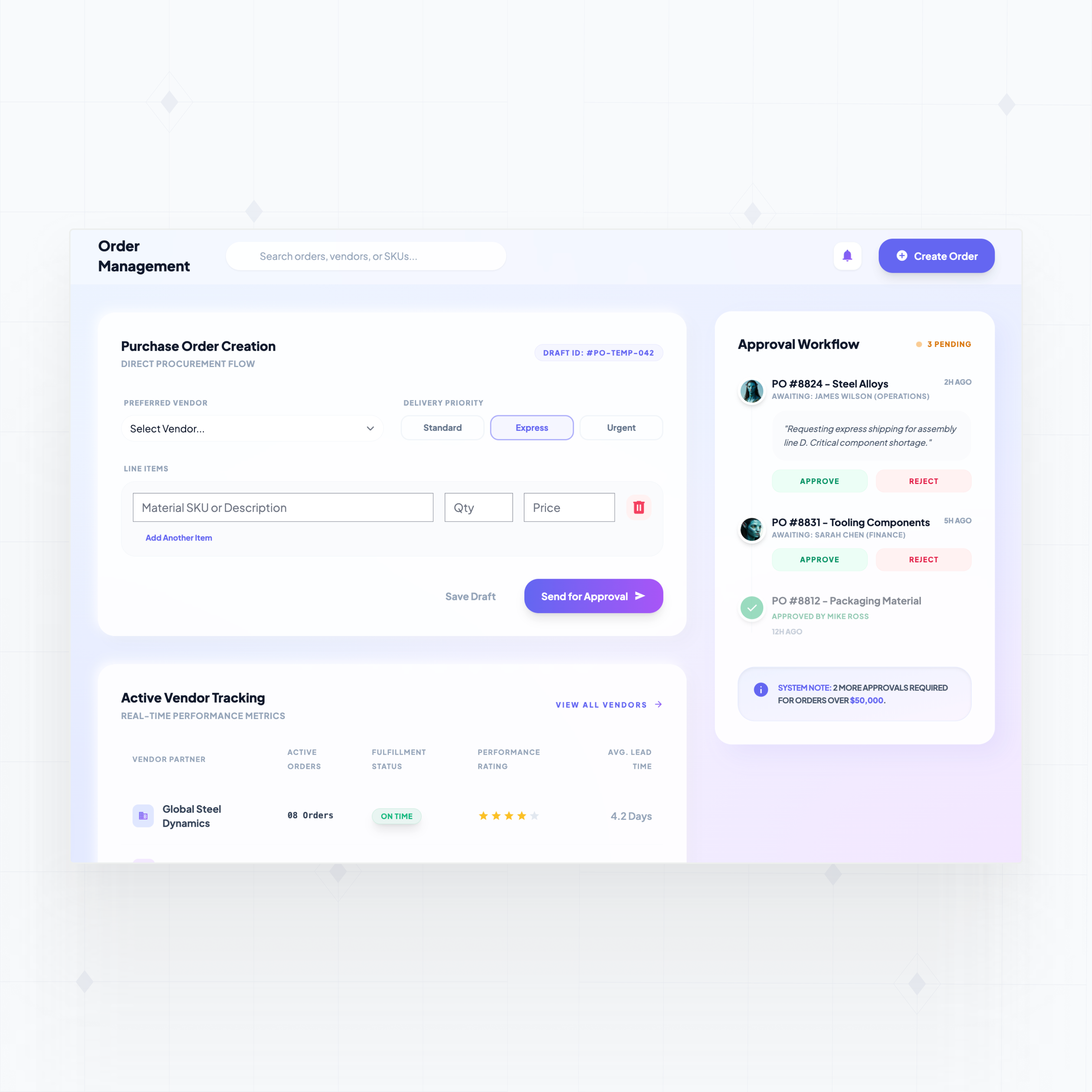
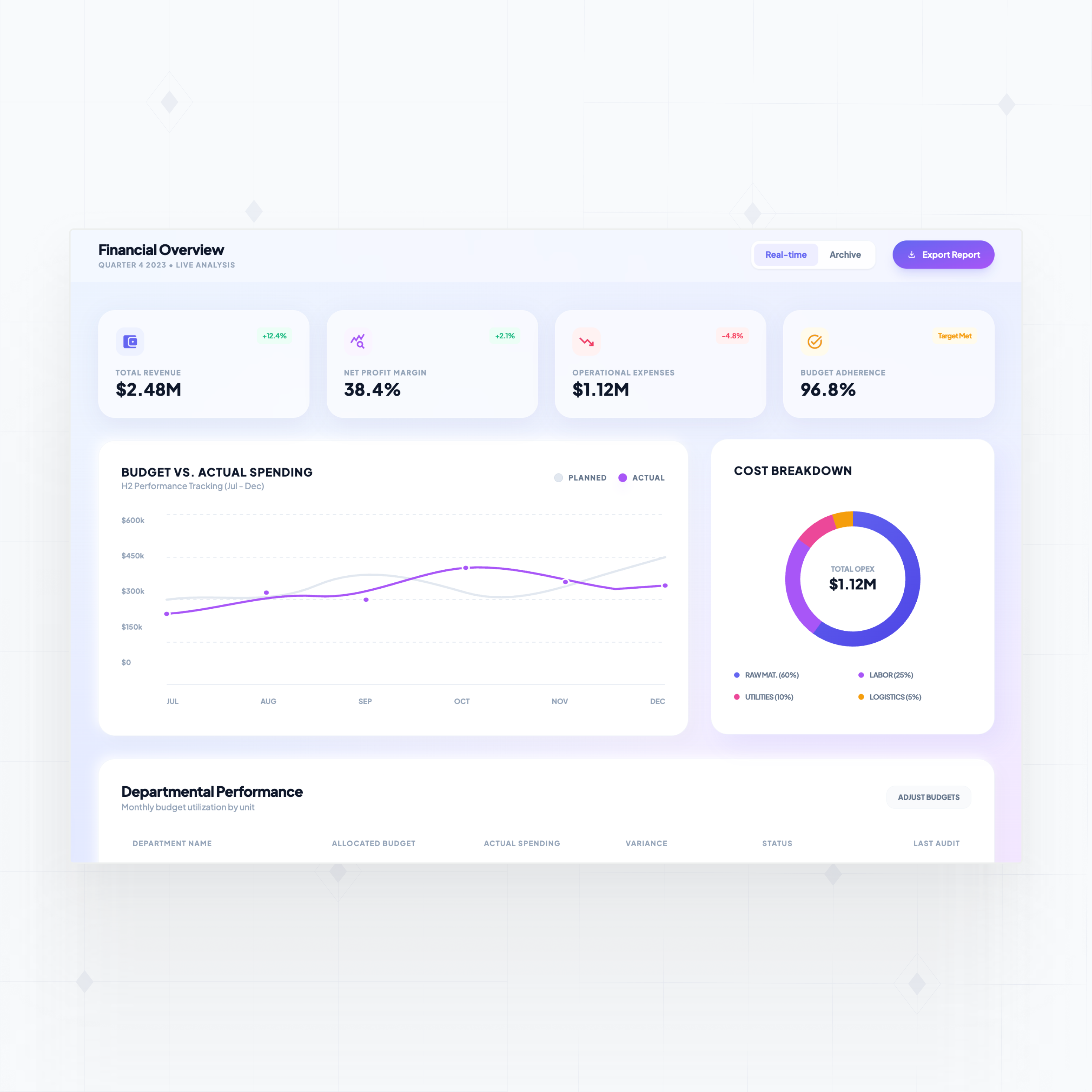
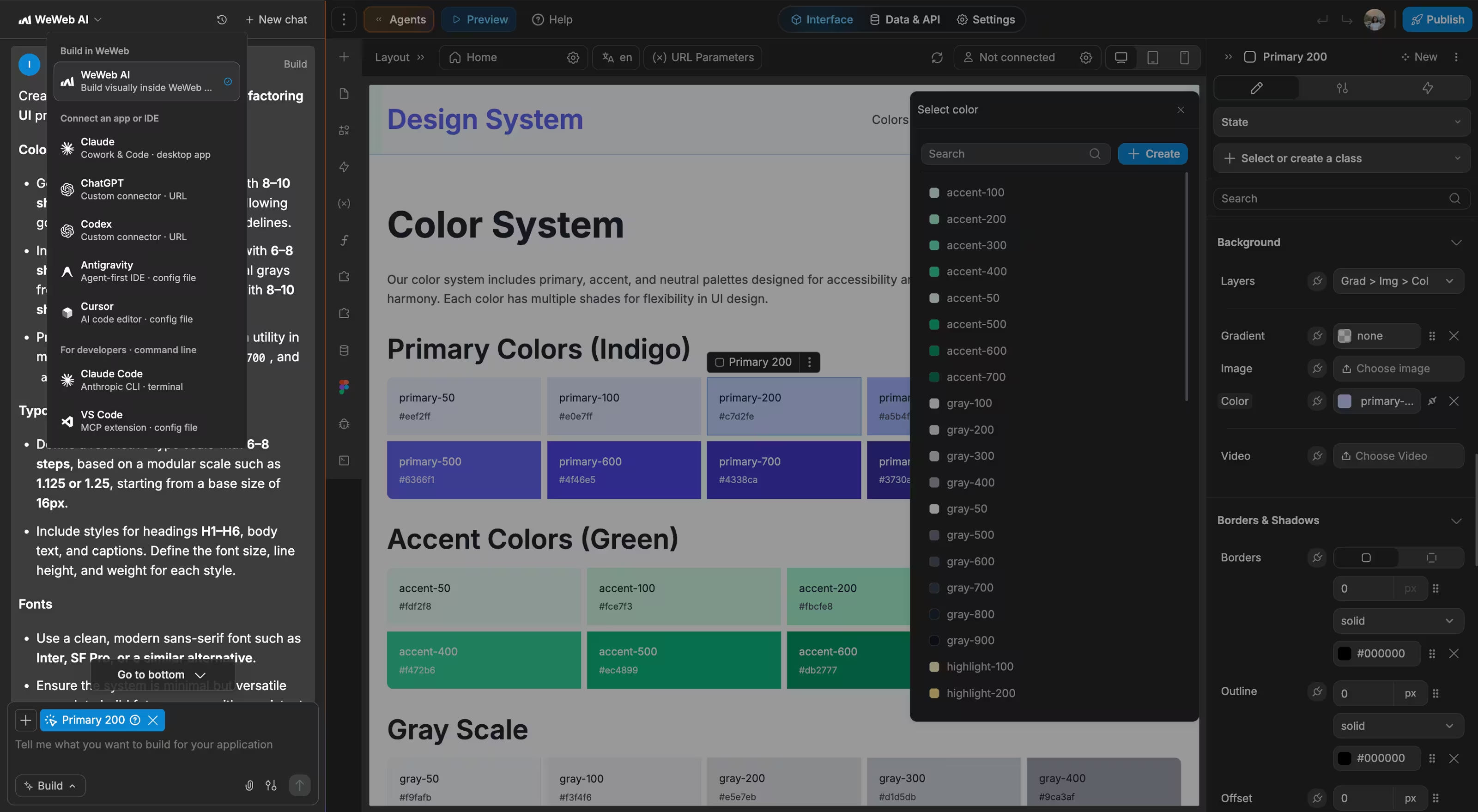
Build ERP modules for your specific operations
From custom fields to multi-step approvals to automated calculations, with WeWeb AI only build the ERP modules that compliments your ops.

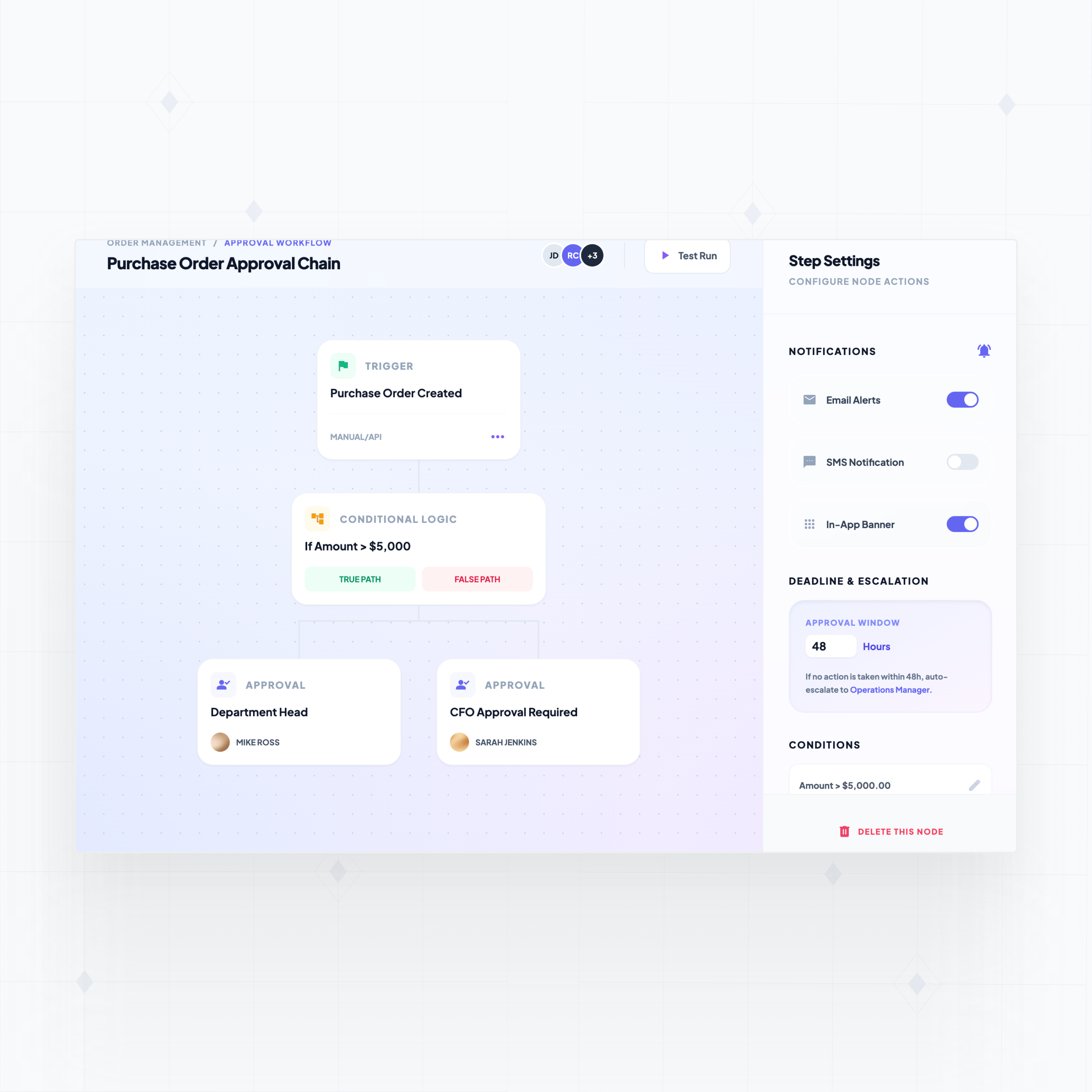
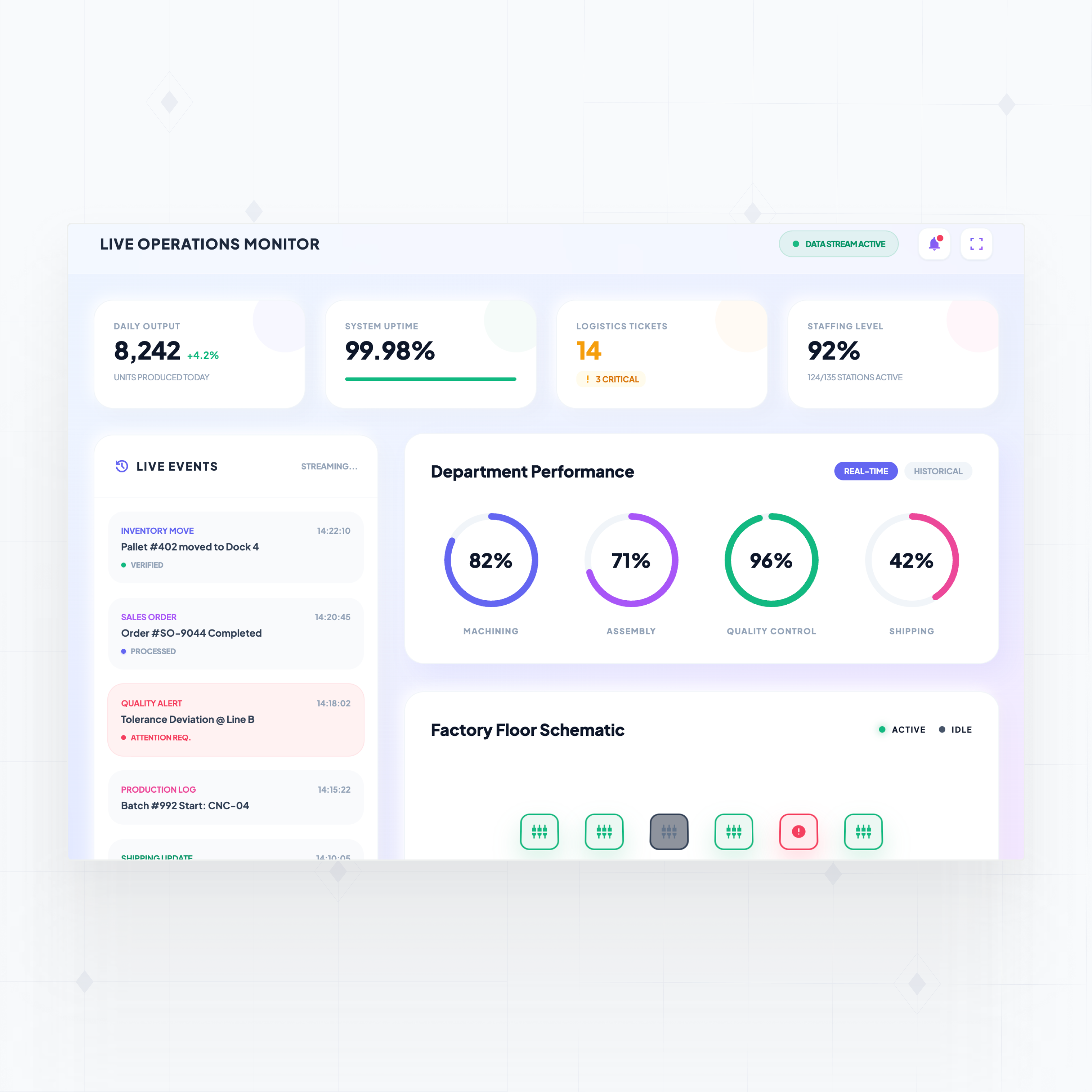
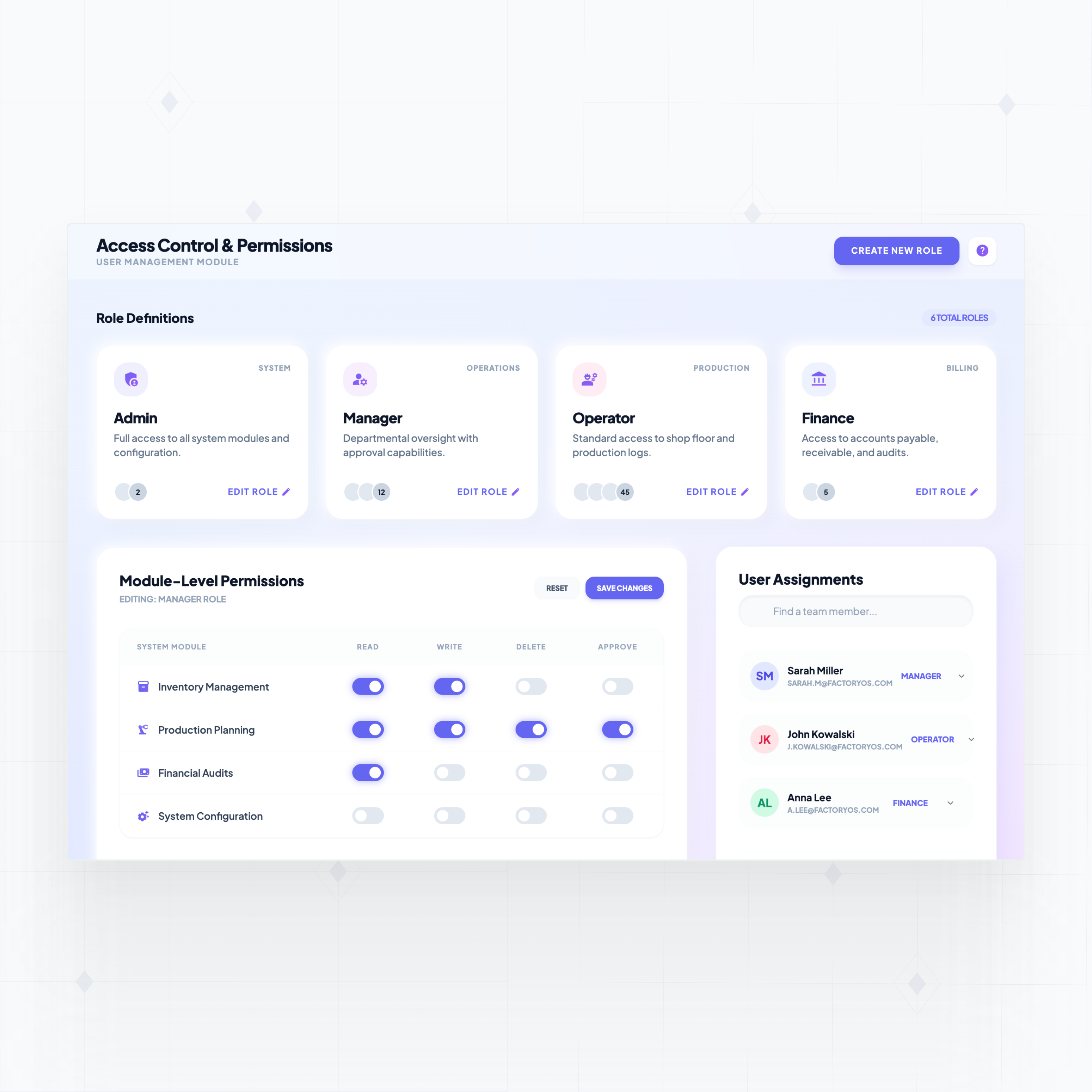
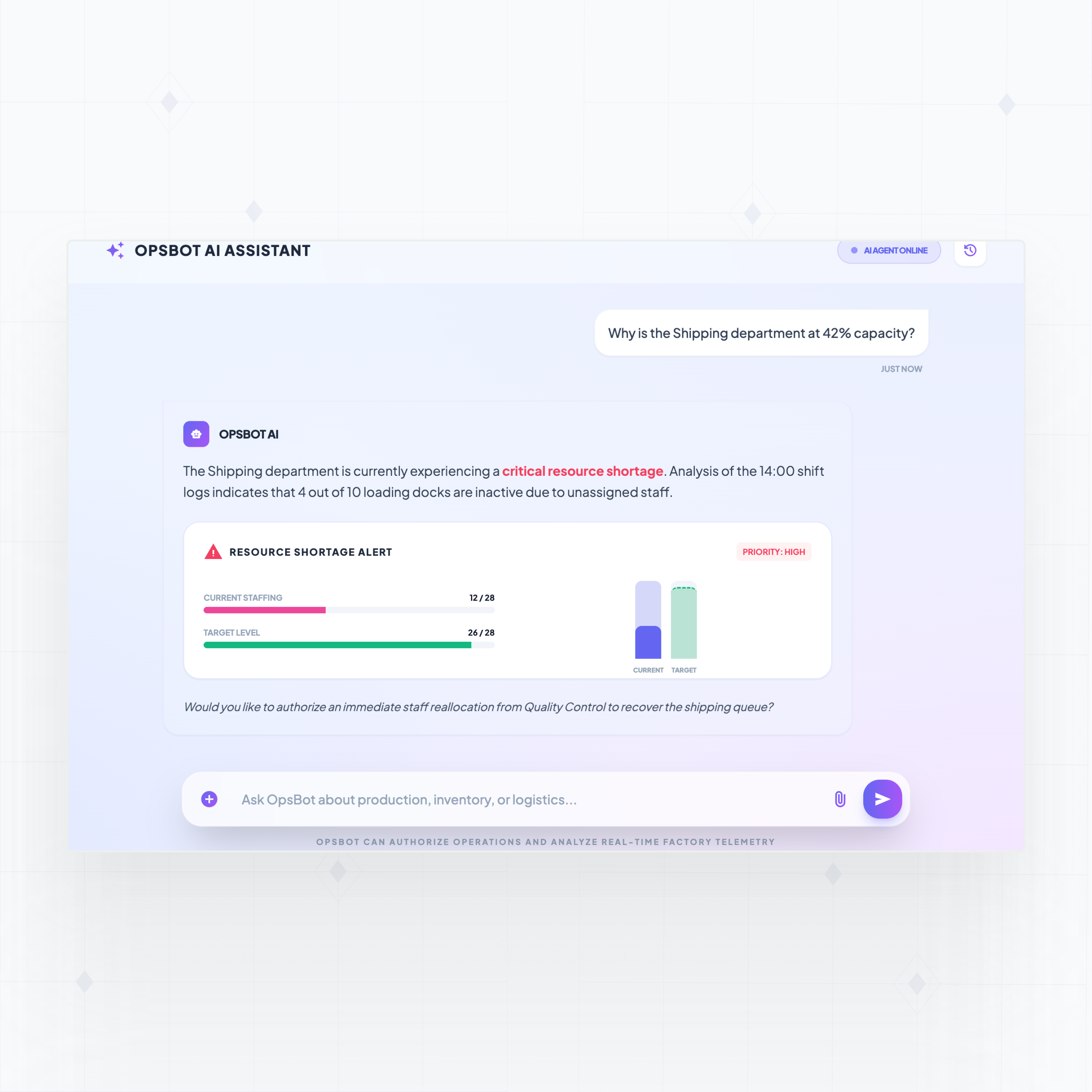
" I don’t think there’s anything that can’t be done inside of WeWeb. "

Production-grade infrastructure for your ERP
The standards of code, with no-code.
Go live with your first ERP module this week
" Time to build and time to market is really effective with WeWeb. "

FAQs
Weeks, not months. The timeline depends on scope, but here's what makes WeWeb faster than traditional ERP implementation:
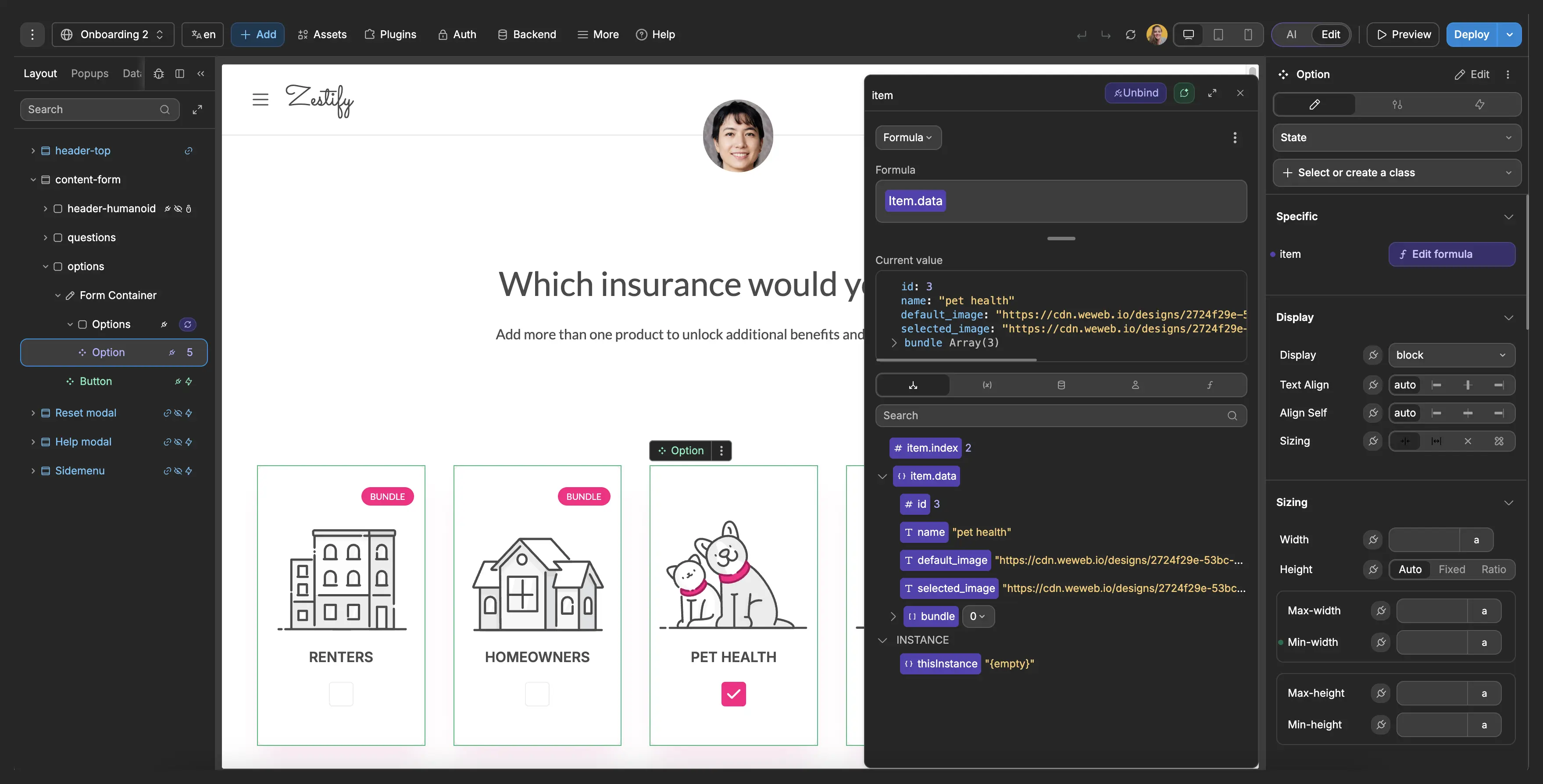
AI generates your foundation. Describe your requirements in plain English. WeWeb AI builds your database schema, UI screens, and connecting workflows. You start with a working system, not a blank canvas.
Visual editing replaces configuration consultants. Drag-and-drop to adjust layouts, add fields, and modify workflows. No tickets to a vendor. No waiting for the next release cycle.
Ship incrementally. Launch your inventory module first, add procurement next, then financials. You don't need a "big bang" go-live. Each module works independently while sharing data.
Most teams ship their first production module in 2-4 weeks. Full ERP rollout typically takes 2-3 months with continuous improvement after launch.
Yes. WeWeb is backend-agnostic, which means you keep your data where it is.
Direct database connections work with PostgreSQL, MySQL, and other databases through Supabase, Xano, or custom APIs. Your ERP reads and writes directly to your existing systems.
Native integrations cover common tools: Airtable, Google Sheets, Algolia for search. For everything else, the REST API plugin connects to any service with an API.
Typical ERP integrations:
- Accounting: QuickBooks, Xero, SAP
- E-commerce: Shopify, WooCommerce
- Shipping: ShipStation, EasyPost
- Payments: Stripe, PayPal
- Automation: n8n, Make, Zapier
The key difference from off-the-shelf ERPs: WeWeb doesn't replicate your data into a proprietary database. Your data stays in your infrastructure, and WeWeb connects to it.
WeWeb gives you architecture-level control that off-the-shelf ERPs don't offer.
Your data stays in your infrastructure. WeWeb connects to your databases; it doesn't copy your data. Row-level security rules in your backend (Supabase, Xano, or custom) control exactly who sees what.
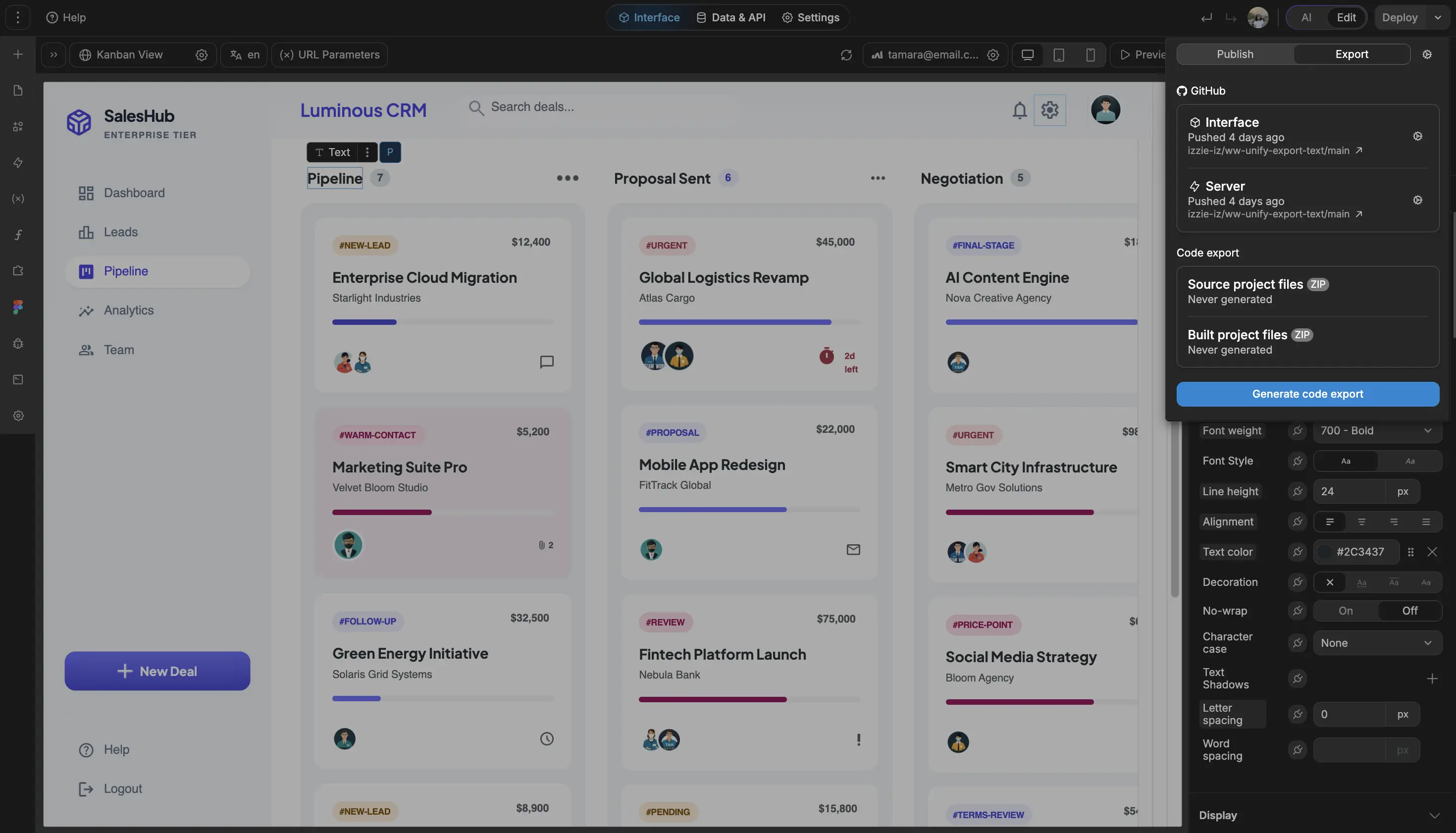
Self-hosting option. Export your entire ERP as a Vue.js application and deploy it on your own servers, AWS, GCP, Azure, or on-premise. Zero runtime dependencies on WeWeb.
Compliance-ready architecture. The separation between your data (in your controlled infrastructure) and the frontend (WeWeb or self-hosted) supports GDPR, HIPAA, and data sovereignty requirements. You control where data lives and how it's accessed.
This matters for manufacturing (trade secrets, customer data), healthcare (HIPAA), finance (SOC2), and any business operating in regulated industries or multiple jurisdictions.
The fundamental difference is who controls the system.
Off-the-shelf ERPs give you a pre-built system that you customize around the edges. You adapt your processes to the software. Customizations are expensive, risky (upgrades break them), and create vendor dependency. Implementation takes 6-18 months and costs 1-3% of annual revenue.
Building with WeWeb means the software adapts to you. Start with AI-generated modules, then customize everything: fields, workflows, screens, calculations, integrations. No license fees per user. No annual maintenance contracts. No waiting on vendor roadmaps for features you need.
Trade-offs to consider:
- Off-the-shelf ERPs include pre-built industry templates and decades of best practices. If your processes are standard, that's valuable.
- Custom ERP requires you to define your requirements clearly. You're the product owner.
- WeWeb is better when your processes are unique, when per-user pricing doesn't scale, or when you need control over your data and infrastructure.