

Finally, a fully no-code backend built for production.
Instead of wiring together separate tools, manage your data, workflows, auth, and storage from the same visual editor as your frontend.
Trusted by Fortune 500 companies & scaleups








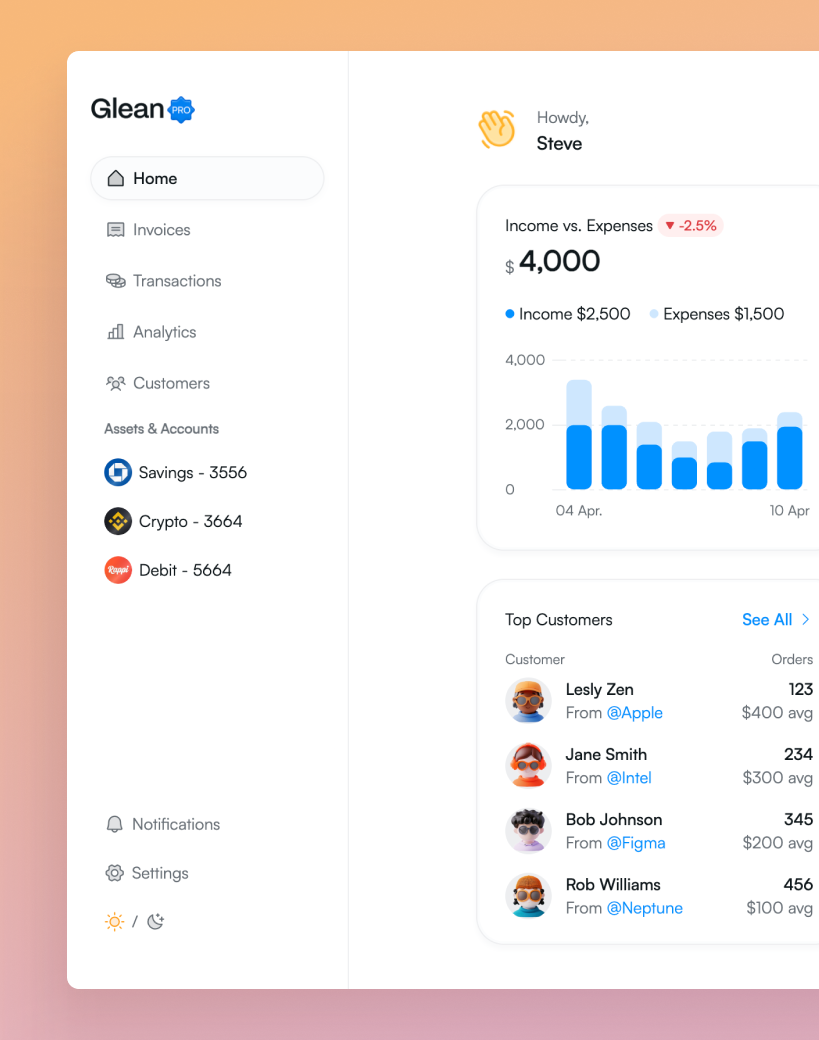
Tables
All your app's data in one clean, spreadsheet-like interface.

" Adopting WeWeb has revolutionized how we approach application development. It’s not just about speed; it’s about empowering our teams to deliver more innovative, secure, and compliant solutions faster and more effectively than ever before "
Digital Project Manager @ PwC

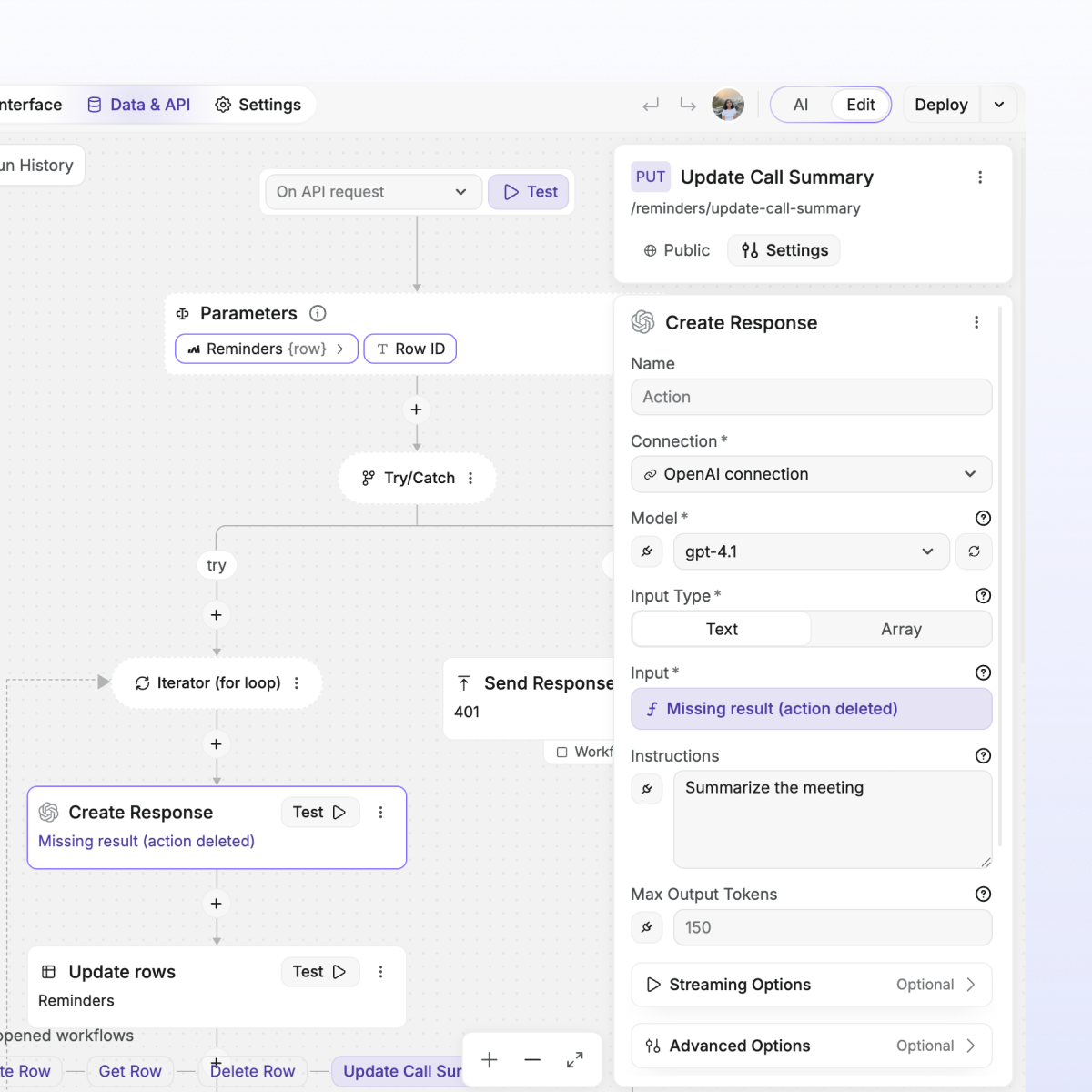
Logic
Backend logic you can see, understand, and maintain.


Logic
Backend logic you can see, understand, and maintain.
Authentication
See and control exactly who can access what in your app.
" Adopting WeWeb has revolutionized how we approach application development. It’s not just about speed; it’s about empowering our teams to deliver more innovative, secure, and compliant solutions faster and more effectively than ever before "
Digital Project Manager @ PwC
Storage
Handle files in your app without thinking about infrastructure.
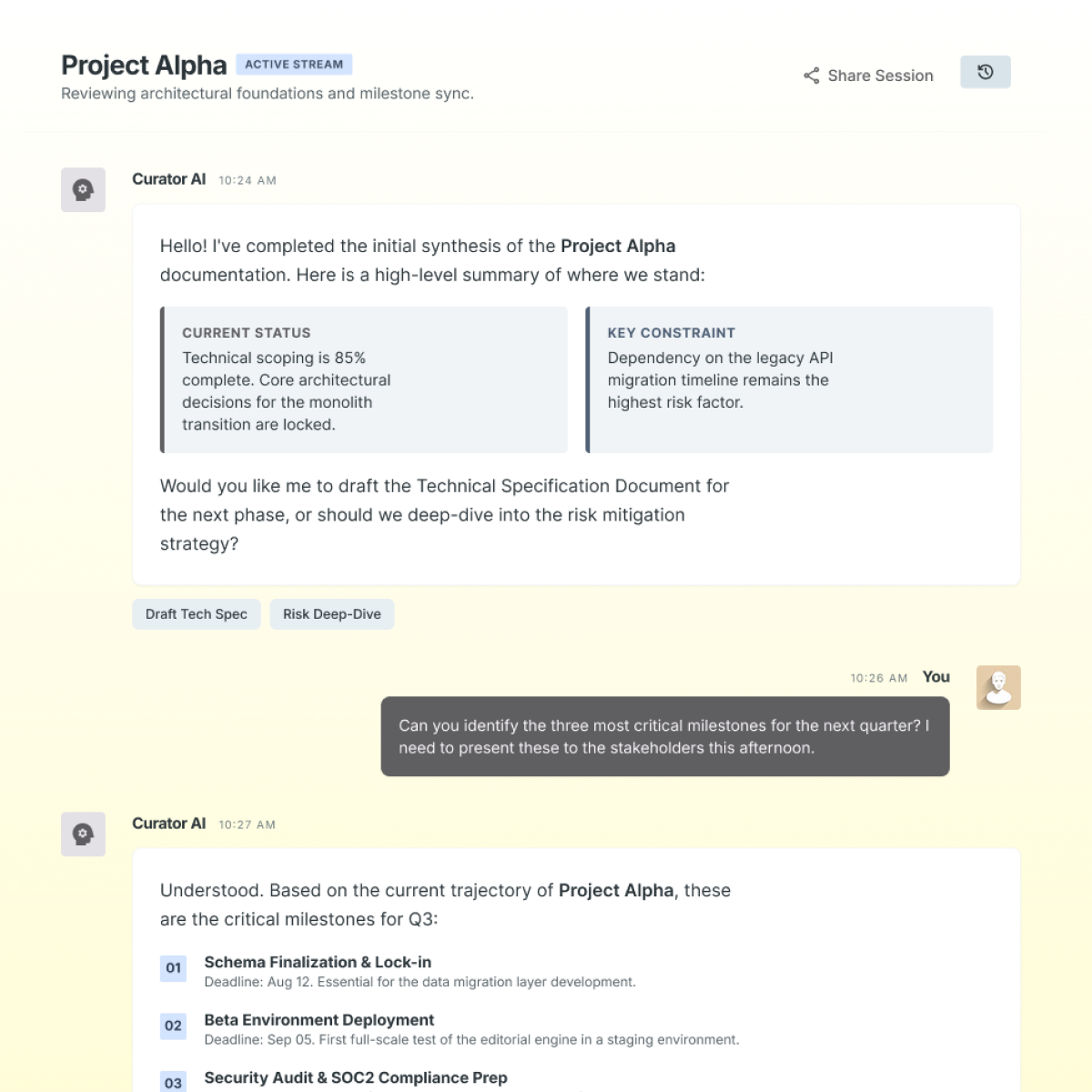
Tables
All your app's data in one clean, spreadsheet-like interface.
" Adopting WeWeb has revolutionized how we approach application development. It’s not just about speed; it’s about empowering our teams to deliver more innovative, secure, and compliant solutions faster and more effectively than ever before "
Digital Project Manager @ PwC
FAQs
Finally, a fully
no-code backend built for production.
